
Loading...
Serving Brea, CA and surrounding areas. (657) 478-7348
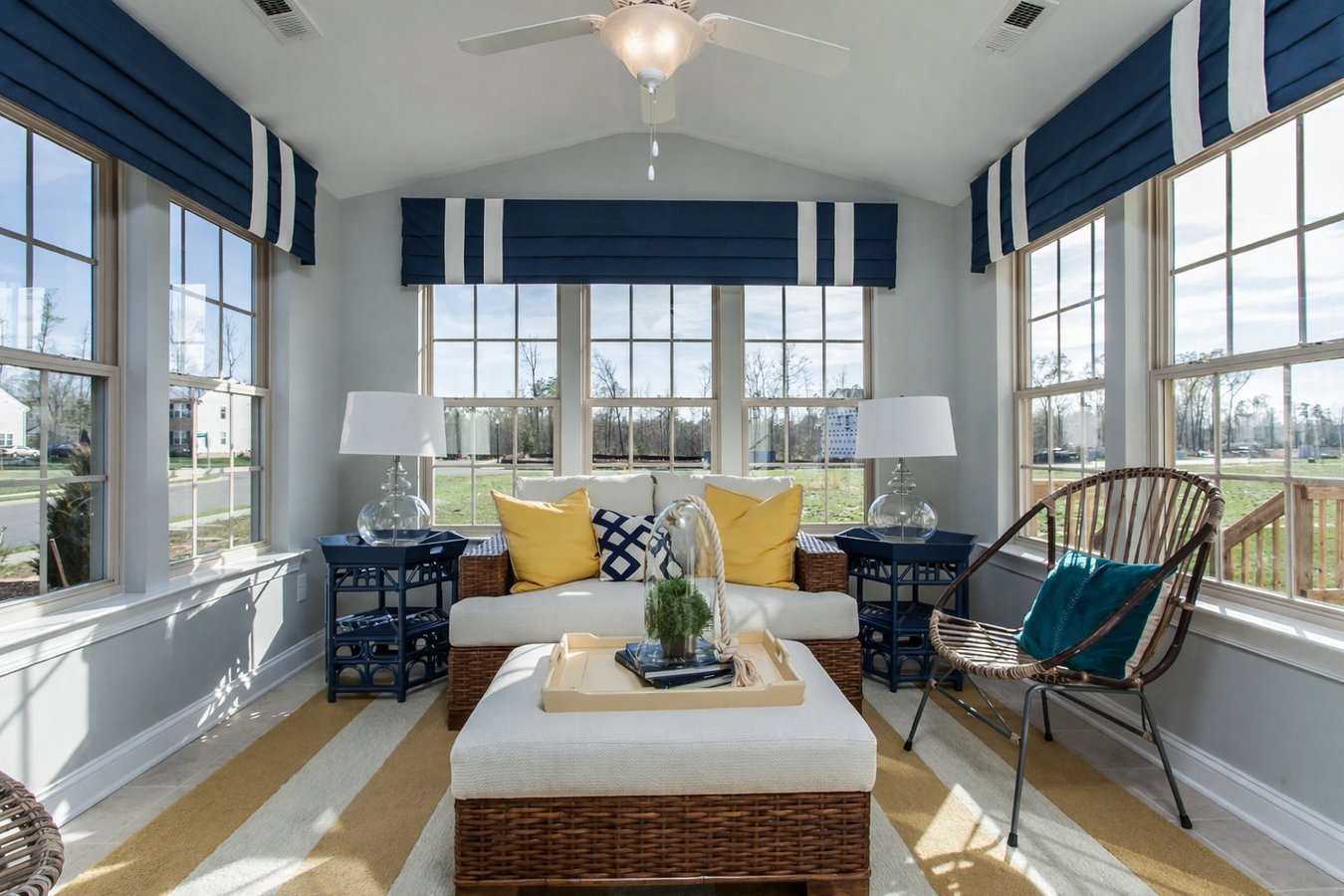
Most sunroom problems start before construction begins. We design your room around your yard's orientation, your home's roofline, and Brea's permit and HOA requirements - so the build goes smoothly and the finished room actually works.
Sunroom design in Brea, CA covers everything from how your room sits relative to the sun, to which glass keeps it comfortable in summer, to the drawings the city needs before construction can start - most projects move from design to permit approval in four to eight weeks, then take another two to six weeks to build.
If you have been sitting on the idea of adding a sunroom but are not sure what the process looks like, you are not alone. Many Brea homeowners in the 1970s and 1980s tract neighborhoods have a concrete patio with a sliding glass door that practically invites a sunroom addition - but figuring out what goes into the design phase is where most people get stuck. Good design means your room will be comfortable year-round, properly attached to your home, and built to pass the city inspection the first time. If you want a fully enclosed, custom result, see our custom sunrooms page for details on what a ground-up custom build looks like.
The design phase is also where HOA requirements get sorted out. In Brea, many planned communities require written association approval before the city permit is even submitted - and getting that order wrong costs weeks. A contractor who does this every day knows how to run both processes in parallel so your timeline does not stretch unnecessarily.
If your backyard sits empty most of the day because the afternoon sun makes it unbearable, that is the clearest possible signal. Brea's west- and south-facing patios can become genuinely uncomfortable by noon, and a sunroom with proper glass and orientation solves both the heat and the exposure problem at once. If you find yourself wishing you could sit outside without squinting or sweating, a sunroom changes the equation.
Many Brea homes built in the 1970s and 1980s have floor plans that feel tight by today's standards. A sunroom adds real, permitted square footage off the back of your home without the disruption of a full interior renovation. It is a way to get more living space without leaving the neighborhood you already know.
Many Brea homes were built with sliding glass doors that lead to a small concrete patio - a setup that practically invites a sunroom addition. That existing door often becomes the interior connection point between your home and the new room, which means much of the attachment work is already planned into your home's structure.
If you have an older aluminum cover or a wood pergola that is starting to rust, rot, or sag, replacing it with a proper sunroom is a meaningful upgrade in both function and value. Patio covers in Southern California take a beating from UV exposure, and many Brea homeowners find themselves patching them every few years. A sunroom built with quality materials and a proper permit is a permanent structure.
Our sunroom design process starts with a site visit to assess your yard's orientation, your existing foundation or patio slab, and the connection point on your home's exterior wall. From there, we put together a layout that accounts for sun direction, roofline integration, and how the new room connects to your existing living space. We handle the permit drawings and submit to the City of Brea's Building Safety Division, and if your neighborhood has an HOA, we prepare the association submission in parallel. If you are considering a fully enclosed, frameless glass room, our vinyl sunrooms service covers that specific build type in detail.
Glass selection is one of the most important design decisions for a Brea sunroom. Brea averages over 280 sunny days per year, and a west- or south-facing room with standard glass can become unusable by early afternoon in summer. We recommend glass types based on which direction your room faces and how you plan to use the space - a morning reading room and an afternoon home office have very different heat-management needs. The ENERGY STAR program provides guidance on what heat-reduction ratings to look for in Southern California's climate zone.
A good fit for homeowners who want to enjoy the space in spring, summer, and fall without the added cost of full insulation and HVAC connection - works well in Brea's mild winters.
Best for homeowners who want to use the room year-round, including cool winter evenings - includes insulation, thermal glass, and a connection to your existing heating and cooling system.
For homeowners who want full design drawings prepared for both city permit submission and HOA architectural review - handles both approval tracks so neither delays the other.
Ideal before committing to any design - we assess your existing slab or yard conditions, including slope and soil, so the foundation recommendation fits your actual lot.
Brea sits in northern Orange County where summer afternoons regularly push into the 90s and direct sun hits south- and west-facing walls hard from late morning through evening. That means the glass you choose for your sunroom matters more here than it would in a cooler coastal city. It also means your room's orientation needs to be part of the design conversation from the start, not an afterthought. Brea also sits in a seismically active area of Southern California, which affects how the sunroom must be anchored to your existing structure - a detail California's building code addresses directly and that any licensed contractor will build to automatically. Homeowners in Yorba Linda face the same combination of intense sun, seismic requirements, and HOA prevalence that shapes sunroom design decisions throughout this part of Orange County.
A large portion of Brea's single-family homes were built between the 1970s and 1990s - many with standard tract-home layouts that include a sliding glass door opening onto a concrete patio. That existing slab often serves as the foundation for a sunroom addition, which simplifies the project significantly. However, older homes in this range may have electrical panels that need upgrading before a four-season, heated-and-cooled room can be added - something a thorough site assessment will flag before the design is finalized. Homeowners in Placentia share the same 1970s and 1980s housing profile, and the same site assessment checklist applies.
We start with a short conversation about your goals and budget, then schedule a visit to your property. During the site visit we assess the attachment point on your home, the sun direction your yard faces, and your existing slab or foundation. This visit is free and typically takes about an hour. We reply to all inquiries within 1 business day.
After the site visit, we put together a layout, a glass recommendation, and a written cost breakdown. In Brea, where HOA rules and city permit requirements both apply, we flag any approval steps upfront so you know the full timeline before agreeing to anything.
We submit the permit drawings to the City of Brea's Building Safety Division and, if your neighborhood requires it, prepare the HOA architectural review package in parallel. This stage typically takes three to six weeks. We keep you updated throughout so you always know where things stand.
Once approvals are in hand, construction begins with foundation or slab prep, then framing, glass installation, and any electrical or HVAC work. A city inspector reviews the finished structure before we close out the project - so your room is on record as fully legal and properly built.
Free site visit, no obligation. We handle the permit drawings and HOA submission.
(657) 478-7348Every design we put together accounts for which direction your yard faces and how Brea's afternoon sun will hit the room. That conversation happens before we recommend a glass type - not after the room is already built and you discover it turns into an oven by 2 p.m.
We prepare and submit all required documentation to the City of Brea's Building Safety Division. If your neighborhood has an HOA, we handle that submission in parallel. You do not have to figure out which form goes where or why the process is taking three weeks - we manage it and keep you informed.
Brea is in a seismically active part of Southern California, and California's building code requires sunrooms to be engineered and anchored to the existing structure accordingly. Every design we produce meets those requirements - the connection between your sunroom and your home is a safety detail, not just a cosmetic one.
A large share of Brea's homes were built between the 1970s and 1990s with tract-home layouts, standard stucco exteriors, and concrete patio slabs out back. We have assessed and designed for these homes many times. We know what to look for at the attachment point on an older stucco wall and what questions to ask about your electrical panel before recommending a four-season room.
Good sunroom design is what makes the difference between a room you use every day and one you avoid because it is too hot, too cold, or too complicated to get approved. We do the upfront work so the build is straightforward and the result is a room that genuinely fits your home, your yard, and your life in Brea. Verify any contractor's license before you sign anything at the California Contractors State License Board - it takes about two minutes and tells you a great deal.
Durable vinyl-framed sunroom additions that resist heat, moisture, and UV exposure - a popular choice for Brea's sunny climate.
Learn MoreFully custom sunroom builds designed around your home's layout, roofline, and yard - no kit components.
Learn MorePermit timelines in Brea mean the sooner you start, the sooner you are in your new room - reach out today and we will get the design process moving.