
Loading...
Serving Brea, CA and surrounding areas. (657) 478-7348
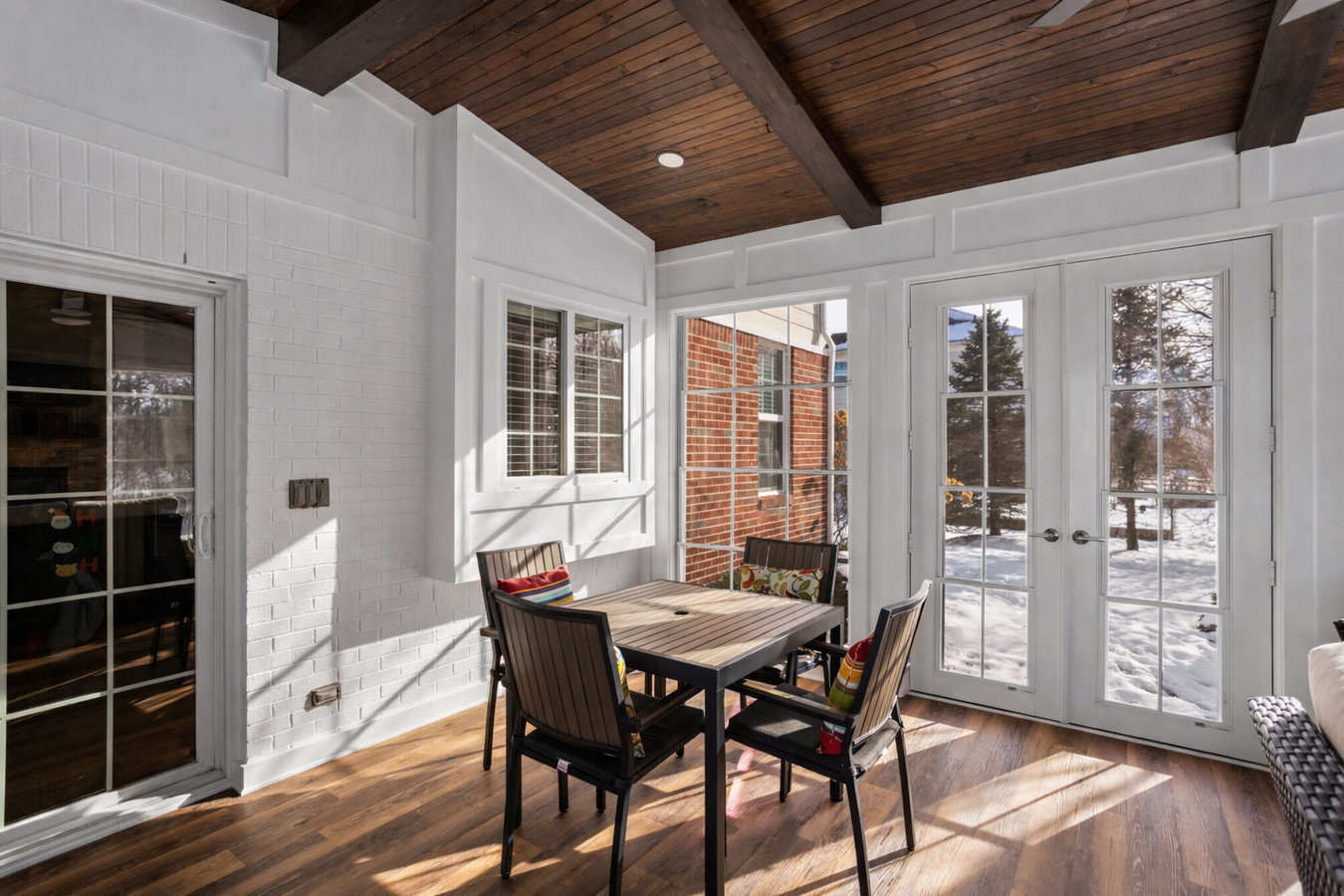
Elite Brea Sunrooms & Patios is your local sunroom contractor in La Habra, CA, offering sunroom remodeling, patio enclosures, and four-season rooms for the city's aging housing stock. We have served La Habra homeowners since 2020 and understand the permit process, the older ranch-home rooflines, and the drainage conditions that hillside properties near the Puente Hills require.
La Habra has a large number of homes built in the 1950s and 1960s, many of which came with original patio covers or enclosed porches that are now decades past their prime. If your current sunroom has cracked roof panels, drafty frames, or glass that turns the room into an oven by mid-morning, a remodel replaces all of it and restores comfort without the cost of a full new addition. See what a refresh can do for a La Habra home with our sunroom remodeling service.
Ranch-style homes throughout La Habra typically have a concrete patio slab behind the house, often the original flatwork poured when the home was built in the 1950s or 1960s. Enclosing that slab is one of the most cost-effective ways to add usable indoor space on a La Habra ranch lot, and the approach works naturally with the low-pitch rooflines common in this housing stock. We handle all permitting through the City of La Habra so you do not have to track the process yourself.
La Habra sits inland from the coast, and summer afternoons regularly push into the mid-90s with little marine cooling to moderate the heat. A four-season sunroom with low-E glass and a dedicated mini-split stays comfortable through La Habra's hot summer months and remains usable during the occasional overnight winter chill, without relying on your home's main HVAC system to carry the load.
La Habra evenings in spring and early fall can be some of the best outdoor weather in the area - warm enough to sit comfortably but cool enough to want some airflow moving through. A screen room captures that atmosphere while keeping out the dust and insects that come with living near the open terrain of the Puente Hills foothills. It is the most open enclosed option and fits naturally on the standard-size lots found throughout La Habra's established neighborhoods.
Older La Habra homes often have covered patios with original aluminum posts and corrugated roofing installed sometime in the 1970s or 1980s. Converting that aging structure into a proper sunroom - with sealed frames, real glass, and a weathertight roof - adds genuine living space and eliminates the ongoing maintenance that comes with keeping a 40-year-old patio cover functional on a home this age.
La Habra's summer sun is direct and intense, and an uncovered concrete patio can absorb enough heat to make adjacent indoor spaces noticeably warmer through the afternoon. A well-installed patio cover reduces surface temperature, protects outdoor furniture from the UV degradation that Southern California's sun accelerates, and serves as a natural first step before a full enclosure if your plans develop over time.
La Habra's housing stock is predominantly postwar ranch and tract homes, with most built between the 1940s and the 1970s. That means the majority of homes in this city are now 50 to 80 years old, and many still have original patio covers, early-generation sunrooms, or aluminum-framed enclosures added in the 1970s or 1980s. Those structures were built to the standards of their era - single-pane glass, frames that have since oxidized, and roof panels that have become brittle or discolored over decades of Southern California sun. In La Habra's climate, where summer UV is relentless and winter rain arrives in concentrated bursts, aging sunroom components fail predictably: glass seals go, frames warp, and water finds every gap in the roof system. Replacing that aging infrastructure with materials designed for today's energy standards makes the room usable again and protects the underlying structure from water damage.
The terrain adds a second layer of complexity. La Habra is not uniformly flat - the northern and eastern neighborhoods rise toward the Puente Hills, and hillside lots in those areas carry drainage challenges that flat-lot homes in the city simply do not share. Sloped yards direct water in specific patterns, and a sunroom or patio enclosure changes how a lot sheds rain. Any contractor working on a hillside property in La Habra needs to assess grade and drainage before finalizing a foundation plan, not after the framing is already in place. That kind of upfront assessment is the difference between a project that goes smoothly and one that uncovers expensive surprises three weeks into construction.
Our crew works throughout La Habra regularly, and we understand the local conditions that affect sunroom contractor work here. We pull permits through the City of La Habra and know that this municipality's plan review typically runs two to four weeks. We work around that timeline from the start so permit delays do not push your project back unexpectedly, and so materials and crews are staged and ready the moment the permit is issued.
La Habra sits right on the Los Angeles-Orange County border, and the city has two distinct residential faces depending on where you live. The flatter streets closer to Harbor Boulevard and Imperial Highway have tight-knit older neighborhoods with modest ranch homes on standard lots - the kind of property where a patio enclosure or sunroom remodel is a well-understood job. Head north toward the Puente Hills and the lot conditions change considerably - steeper grades, more complex drainage, and hillside properties near the Westridge neighborhood where the terrain creates its own site requirements. Whether your home is near the Children's Museum at La Habra in the heart of town or up in the hills above it, we have worked on homes all across this city.
La Habra borders several communities we serve regularly. Homeowners in Whittier to the northwest share La Habra's mix of postwar housing and hillside terrain, and many of the same local site conditions apply on both sides of that city line. Homeowners over in Fullerton to the east tend to have somewhat newer housing stock, though the Orange County permit process and summer heat conditions are consistent across that boundary.
We come to your La Habra property, walk the site, and give you a written quote at no cost. For hillside properties, we evaluate grade and drainage before quoting - so the number reflects your actual conditions, not a ballpark average. We reply within 1 business day of your inquiry.
Once you approve the design and sign the contract, we submit the permit application to the City of La Habra on your behalf. Plan review typically takes two to four weeks. During that window we finalize materials and schedule crews so construction can begin the moment the permit clears.
Construction typically takes two to five weeks depending on room size, the condition of the existing structure, and whether HVAC work is included. You do not need to be home for every work day, but we ask that someone be available during the scheduled city inspections, which happen at defined project stages and take about 30 minutes each.
When the city issues the final inspection approval, we do a complete walkthrough with you. We test all operable windows and doors, address any finish items, and walk you through maintenance for the new materials. You leave the walkthrough knowing exactly how the room works and what to expect from it in La Habra's climate.
We serve homeowners throughout La Habra, CA. No pressure, no obligation - just a straight answer about what your project will cost and how long it will take.
(657) 478-7348La Habra is a city of about 62,000 people on the border between Los Angeles County and Orange County, surrounded by Brea, Fullerton, La Mirada, and Whittier. The city grew rapidly after World War II as suburban development spread outward from Los Angeles, and that postwar era defines most of the housing you see today - single-story ranch homes on modest lots, quiet neighborhood streets, and mature trees planted 60 or 70 years ago whose roots have had decades to work their way under concrete driveways and patios. About 65 percent of La Habra's housing units are single-family detached homes, nearly all of which are owner-occupied by residents who have put down roots here for the long term. The Children's Museum at La Habra, housed in a preserved 1923 Union Pacific railroad depot near the center of town, is one of the city's most recognized landmarks and sits in the middle of the older residential neighborhoods that define central La Habra.
The city's terrain shifts as you move away from the commercial corridor. The flatlands near Harbor Boulevard and Imperial Highway give way to hillside streets as you head north and east toward the Puente Hills ridge - the boundary between La Habra and the San Gabriel Valley. The Westridge neighborhood in the hills is one of the more recognized residential areas in the city, with larger lots and a private golf club. La Habra's close neighbors include communities we serve on both sides of the county line: homeowners just to the west can find us in La Mirada, and homeowners across the Orange County line to the east know us throughout Brea as well.
Expand your living space with a beautiful, light-filled sunroom addition.
Learn MoreConvert your existing patio into an enclosed, functional sunroom.
Learn MoreEnclose your patio for added privacy, comfort, and usable square footage.
Learn MoreCall us or fill out the contact form and we will get back to you within 1 business day. No pressure - just a clear picture of what your project needs.