
Loading...
Serving Brea, CA and surrounding areas. (657) 478-7348
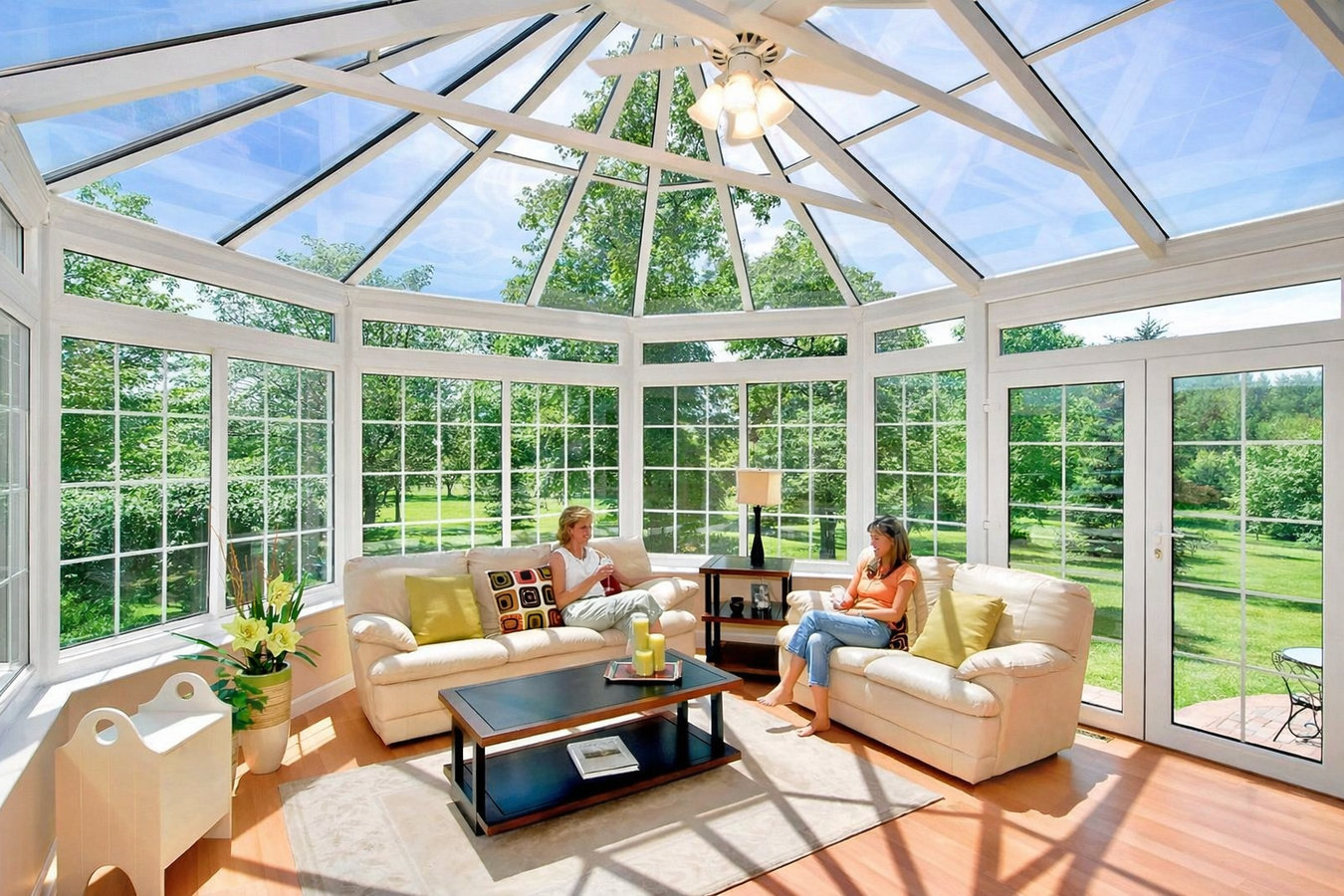
Elite Brea Sunrooms & Patios is Diamond Bar's local sunroom contractor, building all-season rooms, patio enclosures, and custom sunroom additions for the hillside ranch homes and valley properties throughout the city. We have served the eastern Los Angeles County area since 2020 and handle every permit through the Diamond Bar Building and Safety Division, from plan submission to final inspection sign-off.
Diamond Bar summers regularly reach the mid-90s, and a room without real climate control becomes unusable for months at a time. An all-season room with insulated walls, Low-E glass, and a dedicated mini-split gives you a comfortable space from January through August and everything in between - whether your home is in the older valley neighborhoods near the 60 freeway or up in the hills. See the full details of our all season rooms service.
Many Diamond Bar ranch homes from the 1970s and 1980s were built with open concrete patio slabs that are now 40 to 50 years old. Enclosing that existing slab is often the most cost-effective way to add a usable room without a full foundation pour - provided the slab is still in good condition. We assess every existing slab before we design around it, because a settled or cracked slab needs to be addressed before any framing goes up.
Diamond Bar's original tract homes were built for a different era, and many homeowners today need more space - a dedicated home office, a room for adult children returning home, or a bright gathering area that connects the house to the backyard. A permitted sunroom addition adds square footage that counts toward your home's appraised value and does not require you to buy a larger house. We handle permits through Diamond Bar's Building and Safety Division for every project.
Homes in Diamond Bar's hillside neighborhoods often have specific lot shapes, roof angles, and view orientations that a standard catalog sunroom will not accommodate. A custom design is built around what your property actually has - roofline profile, lot grade, exterior materials, and any HOA guidelines that govern exterior appearance. The result is a room that looks like it was always part of the house, not something bolted on later.
Diamond Bar's spring evenings - mild temperatures, low humidity, and a bit of a breeze off the foothills - are some of the most pleasant outdoor weather in eastern Los Angeles County. A screen room lets you stay outside in that weather without the insects and without the dust that wildfire smoke events push across the area each fall. This is a lower-cost option compared to a fully enclosed room and works well on the standard single-story lots found throughout most of the city.
If you want more enclosed outdoor space without committing to a full HVAC-equipped room, a three-season sunroom gives you a usable area for most of the year in Diamond Bar's climate. The room is not designed for peak summer heat but handles the long mild stretches from September through May well. It costs less than a fully insulated all-season room and is a practical middle step for homeowners who are not yet ready for a full room addition.
Diamond Bar was developed almost entirely between the late 1960s and the 1980s, which means most of the housing stock is now 40 to 60 years old. Those homes are entering the age range where owners are thinking seriously about adding space, not just maintaining what they have. The city sits in the Pomona Valley foothills, and that terrain shapes how this work gets done. A significant portion of Diamond Bar properties have sloped or terraced lots, steeply pitched driveways, and grade changes in the backyard. A sunroom on one of these lots requires a foundation design that accounts for that grade - not the same approach you would take on a flat Fullerton slab. The clay soils common throughout eastern Los Angeles County add another layer: they expand when wet and shrink in the dry summer months, and a foundation that does not account for that seasonal movement will show signs of stress within a few years.
Diamond Bar's climate also shapes material choices for every project. Summer temperatures regularly reach the mid-90s, and the UV exposure at this elevation and latitude breaks down lower-quality glazing and exterior caulk faster than most product warranties suggest. The dry Santa Ana winds that move through eastern Los Angeles County each fall put stress on frame connections and roof-to-wall seals. And unlike coastal Orange County, Diamond Bar gets no marine layer to temper the summer heat, which means a room without proper insulation and climate control will not be comfortable for roughly four months of the year. These are not minor considerations to check off a list - they are the factors that determine whether a sunroom is an asset you use every day or an expensive room you avoid.
Our crew works throughout Diamond Bar regularly, and we pull permits through the City of Diamond Bar building department for every project we do here. The city's plan review process is straightforward for most residential additions, but projects on steeper hillside lots sometimes require additional structural or grading documentation before the permit is issued. We know to flag those conditions early so they do not delay the start of construction.
Diamond Bar is a city where most residents own their homes and plan to stay. The 57 and 60 freeways run through the city and connect it to both the Los Angeles metro to the west and the Inland Empire to the east. Most of the residential neighborhoods sit off Grand Avenue, Diamond Bar Boulevard, and Golden Springs Drive - streets lined with the ranch and traditional tract homes the city was built on. Summitridge Park sits on one of the higher ridgelines and gives you a sense of how much of the city is on hillside terrain. We have worked on homes near the Diamond Bar Center, in the neighborhoods around Diamond Bar High School, and out toward the eastern edge of the city where newer development from the late 1980s and 1990s brought in concrete tile roofs and slightly larger lots.
We also serve the surrounding communities in this part of Los Angeles County. If you are in Rowland Heights just to the northwest, or in Walnut to the south, we cover those areas as well.
Reach us by phone at (657) 478-7348 or through the contact form on this site. We reply within one business day. You do not need drawings or a plan - just a general sense of what you are hoping to build and where on your property it would go.
We visit your property to look at the space, assess the existing foundation or slab, check the lot grade, and identify any drainage or soil conditions that need to be addressed before work begins. This visit is free and typically takes 30 to 60 minutes. For hillside lots in Diamond Bar, this step is especially important - it is where we catch issues that would otherwise show up as surprises during construction.
Once you approve the estimate, we prepare the permit application and submit it to the Diamond Bar Building and Safety Division. Plan review typically takes two to four weeks. Construction begins after permit approval and runs two to six weeks depending on room size and site complexity. You do not need to be home for every day of work, but we will coordinate with you around the phases that require access to the home's interior.
When construction is complete, the city sends an inspector for the final sign-off. We walk through the finished room with you before that inspection to make sure everything is right. After the city issues final approval, we provide you with copies of the permit and inspection records - documentation you will need when you refinance or sell your home.
We serve Diamond Bar homeowners with free on-site estimates, no-pressure consultations, and full permit handling from start to finish. Call us or submit the form below.
(657) 478-7348Diamond Bar is a city of roughly 55,000 people in eastern Los Angeles County, sitting at the boundary between the LA metro and the Inland Empire along the 57 and 60 freeway corridors. It was developed almost entirely between the late 1960s and the 1980s, transitioning from ranchland to a planned residential community during that period. The result is a city with a relatively consistent housing stock - predominantly single-family, owner-occupied homes with stucco exteriors, attached garages, and concrete driveways. About 70 percent of Diamond Bar households own their homes, which is significantly above the California average, and median home values hover around $750,000 to $800,000. The city sits in the Pomona Valley foothills, and that terrain gives Diamond Bar much of its visual character - rolling hills, ridgeline parks like Summitridge, and lots with more grade variation than you find in the flat valley cities to the west.
The housing stock breaks into two rough generations. Homes from the late 1960s through the early 1980s are mostly single-story and two-story ranch-style and traditional tract designs built during the city's main growth period. Homes from the late 1980s and 1990s, particularly in the newer planned neighborhoods on the eastern side of the city, tend to be larger, often feature concrete tile roofs, and sit on slightly bigger lots. Both generations are now at the age where owners are making meaningful improvements - and sunroom additions are one of the most practical projects for a property at this stage of its life. We also serve neighboring communities, including Rowland Heights to the northwest and Walnut to the south.
Expand your living space with a beautiful, light-filled sunroom addition.
Learn MoreConvert your existing patio into an enclosed, functional sunroom.
Learn MoreEnclose your patio for added privacy, comfort, and usable square footage.
Learn MoreCall us at (657) 478-7348 or submit the form to schedule a free on-site estimate at your Diamond Bar property. We handle permits, design, and construction from first call to final inspection.